Eyebrow Transplant: Results, Risks and the Real Upkeep
Considering an eyebrow transplant? Compare results, recovery, trimming, risks and quote details, with evidence beyond before-and-after photos.
What is an eyebrow transplant?
An eyebrow transplant moves donor hair follicles into the brow to replace missing hair or change its density and shape. It can create growing hair, but the cause of the original loss still matters, and transplanted hair can need continuing trimming and grooming, as the ISHRS eyebrow-restoration guide explains.
The useful question is not just whether more hair will grow. It is whether that hair will suit the brow, lie in the intended direction and remain manageable after the photograph is taken. Those are different tests of a result.
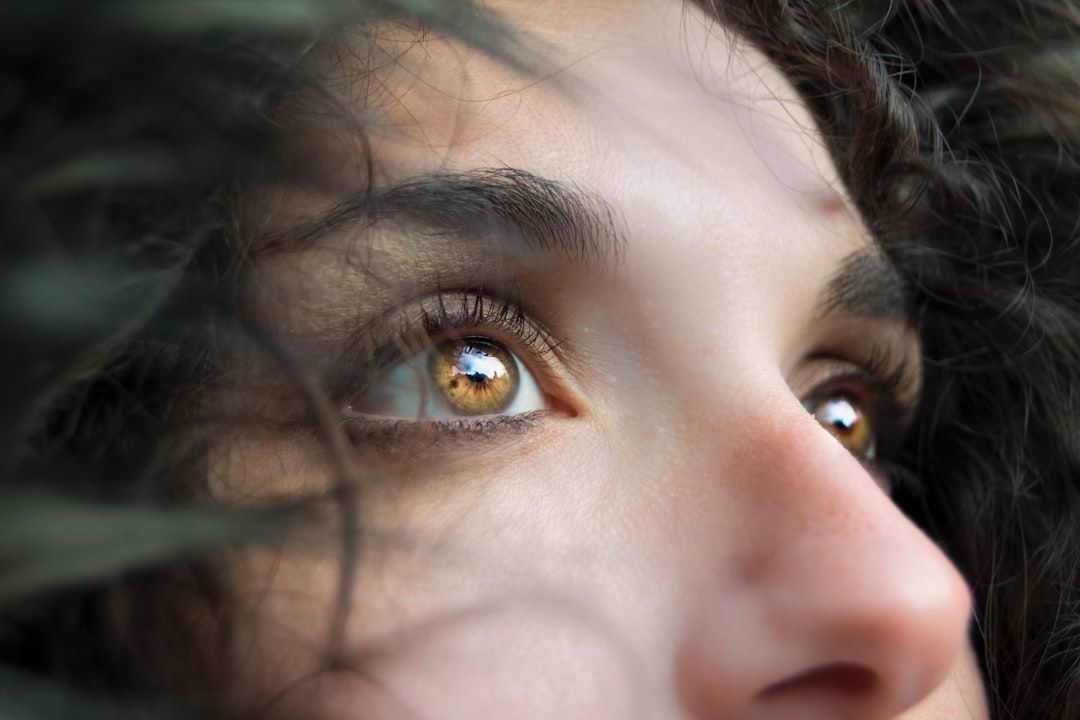
This guide separates the procedure from the promises: what needs assessing first, what published studies actually found, and which details belong in a written quote. The cover photograph is illustrative, not a transplant result.
Free 1-page hair transplant quote checklist
Compare graft counts, surgeon involvement, included costs, follow-up and possible second sessions.
Table of contents
- Who is an eyebrow transplant for?
- Why diagnosis comes before brow design
- How an eyebrow transplant works
- Direction and donor hair matter more than a graft-count headline
- What the eyebrow-transplant studies actually show
- Recovery has three different timelines
- Trimming, uneven growth and other risks
- Eyebrow transplant vs microblading
- Eyebrow transplant cost: what a useful quote includes
- How to judge before-and-after photographs
- Eight questions for the consultation
- Frequently asked questions
Who is an eyebrow transplant for?
Eyebrow restoration is considered for several different situations, not just naturally sparse brows. The ISHRS guidance linked above includes congenital lack of hair, permanent loss after plucking, injury or burns, and some disease-related loss, subject to clinical assessment.
A small gap, loss of one brow and a complete redesign are different requests. Describe the change you want before discussing a graft count: filling the tail, restoring a scarred area, adding density or altering the outline. Bring older photographs if the aim is restoration of a previous shape.
It also helps to state what is not the goal. Someone who wants less time spent drawing brows may judge success differently from someone who wants a particular shape without makeup. A consultation should address the everyday result, not only the result after styling.
This is a guide to eyebrow hair restoration. Eyelash transplantation and procedures that reposition brow tissue are separate interventions, with different planning and risks. A clinic using the broad phrase “brow restoration” should specify exactly which procedure it is proposing.
Why diagnosis comes before brow design
The cause of eyebrow loss can change whether transplantation is appropriate and how durable the result might be. ISHRS advises assessing the history and affected area first, controlling relevant disease, and addressing compulsive plucking before considering restoration.
One important example is frontal fibrosing alopecia, or FFA. The American Academy of Dermatology explains that eyebrow loss can be an early sign of this scarring condition, which can permanently destroy follicles. It can also affect the frontal and side hairline. That is a reason to investigate the cause, not a diagnosis that can be made from a sparse-brow photograph.
Our receding-hairline guide covers visible scalp patterns, but a pattern comparison does not explain new eyebrow loss. Bring changes in both areas to the same assessment rather than treating them as unrelated cosmetic projects.
Useful information to prepare includes when the change started, whether it is continuing, previous injuries or procedures, and any symptoms in the affected skin. Include previous brow tattooing, removal treatments and photographs taken before the loss. The clinician can decide which details require examination or further investigation.
For a scarred brow, ask what is being assessed about the scar itself and whether other reconstructive work is still planned. The important answer is not simply “we can place grafts there.” It is why that tissue, at that stage of healing, is considered a suitable recipient area.
How an eyebrow transplant works
The operation involves selecting donor follicles and placing them into a planned brow pattern; the harvesting label describes only part of that work. The ISHRS terminology guidance, updated in May 2026, distinguishes individual follicular-unit excision, or FUE, from strip harvesting, often called FUT.
With FUE, individual follicular units are surgically removed. With strip harvesting, donor tissue is removed as a strip and divided into grafts. The mechanics of both, and why a follicular unit carries more than one hair, are set out in the guide to how a hair transplant works. Neither label, by itself, establishes the quality of the eventual eyebrow design. Ask separately about harvesting, graft selection and placement.
Shaven, partially shaven and unshaven describe another distinction: how donor hair is prepared. “Long-hair FUE” does not mean there is no surgery, and “unshaven” is not a result guarantee. The same ISHRS guidance notes that retained long hairs can offer an immediate preview but can still shed before subsequent regrowth.
The consultation should produce a plan you can recognise in plain language:
- The intended outline: which existing hairs stay, which gaps are being filled, and how the two brows relate.
- The donor choice: where the hair will come from and why it suits this brow.
- The surgical roles: who assesses, harvests, creates recipient sites and places the grafts.
- The follow-up: when the result will be reviewed and how concerns will be handled.
For the separate issue of donor marks, our hair-transplant scars guide explains the distinction between extraction-site scars and a strip scar. Ask to see the proposed donor area with your usual hairstyle, not just close-ups of the recipient brow.
Direction and donor hair matter more than a graft-count headline
Growing hair and a natural-looking eyebrow are not the same outcome. The American Society of Plastic Surgeons' discussion of brow restoration emphasises fine donor hairs, single-hair grafts and careful placement at a shallow angle so the hair follows the brow rather than projecting away from it.
That makes “how many grafts?” an incomplete first question. A fuller outline is not automatically the outline someone wants, and a number cannot describe hair thickness, curl or direction. Ask the surgeon to explain those choices on the design, including how the inner brow, body and tail will differ. Angle control is also why some surgeons place brow grafts with a sharp implanter, the tool marketed on the scalp as a DHI hair transplant.
The donor also affects maintenance. Scalp-derived hairs can continue growing longer than the intended brow length, so regular trimming may remain part of the routine. The ASPS discussion highlights this explicitly; there is no basis here for promising a maintenance-free result.
When comparing proposals, ask whether the quoted count is for one eyebrow or both, and whether it means grafts or individual hairs. Also ask whether it describes the planned first session or an anticipated total across sessions. Write those labels beside the number before comparing it with another estimate.
Avoid turning a published study's graft count into a target for your own brows. A count from complete reconstruction cannot be assumed to fit a small patch, different donor hair or different recipient skin.
What the eyebrow-transplant studies actually show
Published results support the possibility of useful eyebrow restoration, but they do not establish one universal success rate. The studies below answer different questions in different patients.
| Evidence | What was reported | What it does not establish |
|---|---|---|
| 2018 systematic review: 67 articles covering 354 patients | The literature included both eyebrow and eyelash restoration, with burns accounting for much of the patient sample | A current, eyebrow-only success rate for routine cosmetic patients |
| 2024 retrospective study: 81 Chinese patients receiving hair from around the ears | Mean satisfaction of 4.90 out of 5; no significant complications reported during 15 months of follow-up | A 98% graft-survival rate, superiority for every donor choice, or lifelong durability |
| 2020 FFA study: 10 patients with frontal fibrosing alopecia | Eight had excellent growth at 6 to 12 months, but most lost transplanted hair after 3 to 4 years | The failure rate in people without FFA |
The last study is particularly useful for understanding the word “permanent.” Good early growth did not guarantee persistence in that disease-specific group. Its small size limits generalisation, but the longer follow-up exposed a problem that an early photograph could miss.
Equally, the 81-patient study's satisfaction score is encouraging without being a prediction for a new patient. Satisfaction, survival of individual follicles and absence of reported significant complications are separate measures. Converting one into another creates a misleading statistic.
When a clinic advertises a percentage, ask for the denominator, how the outcome was measured, and when follow-up happened. Ask whether everyone treated was included or only patients who returned for photographs. “Success” needs a definition before the number is meaningful.
Our methodology explains the site's approach to evidence and estimates. Here, the practical limit is clear: published eyebrow results should be read alongside the patient's diagnosis and the type of outcome measured.
Recovery has three different timelines
Skin healing, visible hair growth and longer-term stability are separate stages of recovery. A return-to-work estimate cannot answer when the final brow will be assessable.
A 2021 eyebrow-restoration review describes hair shedding during early recovery, growth beginning around 3 to 4 months and fuller regrowth around 6 to 8 months. Its protocol delays a second session until at least 9 to 10 months. These are that author's eyebrow-specific expectations, not a universal schedule or a guarantee for scarred or diseased skin.
Keep three questions separate when planning:
- Early recovery: what will the donor and recipient areas look and feel like, and which activities need restricting?
- Growth assessment: at which appointments will photographs and examination be used to judge density and direction?
- Long-term review: does the original cause of loss require continuing monitoring after a satisfactory early result?
Get written instructions for cleansing, touching the area, cosmetics, exercise and whom to contact with a concern. A general article cannot substitute for the operating clinician's instructions. Copying another patient's aftercare routine is especially unhelpful when the procedures or recipient skin differ.
If surgery is planned around a wedding, travel or another fixed event, ask about uncertainty as well as the earliest expected milestone. “Back at a desk” and “comfortable with close-up photographs” are different planning questions.
Trimming, uneven growth and other risks
An eyebrow transplant can leave unwanted direction, curl, uneven density or inadequate growth even when some follicles survive. The 2021 review above discusses these cosmetic problems alongside swelling, bruising, infection, folliculitis and cysts. It does not provide a reliable population-wide complication rate for routine cosmetic eyebrow transplantation.
Ask how the surgeon distinguishes an early appearance that needs observation from a result that may need correction. Also ask what a proposed revision would involve, when that decision could reasonably be made, and what its limits are. “Touch-up included” is too vague without those details.
Routine grooming and a corrective procedure should not be presented as the same thing. Being willing to trim longer hairs is a different commitment from accepting a brow whose direction or outline does not match the agreed plan.
Before booking, request clear postoperative contact arrangements, including outside normal office hours. For treatment away from home, establish who will examine a problem locally and whether return travel would be necessary. Keep those arrangements with the written consent and aftercare information.
Eyebrow transplant vs microblading
A transplant places follicles; microblading creates hair-like marks with pigment. The choice involves the desired effect and its upkeep, not just which before-and-after photograph looks denser.
| Option | What is being added | What to clarify |
|---|---|---|
| Eyebrow transplantation | Growing hair follicles in a planned pattern | Donor suitability, hair direction, trimming, surgical risks and follow-up |
| Microblading or permanent makeup | Pigment intended to resemble brow definition | Pigment choice, hygiene, changes over time, touch-ups and removal limitations |
| Brow pencil or other removable makeup | A temporary drawn or filled-in appearance | Whether the desired shape works in everyday use before making a less reversible choice |
Pigment procedures are not risk-free alternatives to surgery. The FDA's permanent-makeup guidance describes infection, allergic reactions, scarring and removal difficulties among the concerns with tattoos and permanent makeup. A transplant does not remove existing tattoo pigment, so any proposed combination needs to account for what is already there.
The comparison is easier if the goal is specific. Wanting actual hair in a gap is different from wanting a sharply drawn outline. Ask to discuss both the untreated appearance and the appearance after grooming, without assuming that every option can deliver the same effect.
Eyebrow transplant cost: what a useful quote includes
An eyebrow-specific written quote is more useful than a generic national hair-transplant price. The official sources reviewed for this article do not establish a dependable current US average for eyebrow transplantation, so this guide does not present one.
The same reasoning applies to other facial areas: our beard transplant guide sets out the published graft counts per zone and the donor trade-off, and neither transfers to brow pricing. Our hair transplant cost calculator estimates scalp restoration. Its per-graft ranges are not an eyebrow pricing model: a brow procedure's fee cannot be inferred just by entering a smaller graft count. The scalp transplant cost guide explains broader quote comparisons, not a transferable price for brows.
Ask for these items in writing:
| Quote item | Detail to confirm |
|---|---|
| Scope | One brow or both; patch repair, density work or reconstruction |
| Planned procedure | Donor area, harvesting approach, graft estimate and named surgical roles |
| Included services | Assessment, anaesthesia, facility charges and follow-up visits |
| Possible additional work | Whether a second session is anticipated, and how it would be charged |
| Revision terms | What counts as a revision, assessment timing, exclusions and extra fees |
| Travel and aftercare | Accommodation, return visits and care away from the operating clinic |
| Cancellation | Deposit terms and what happens if assessment changes the surgical plan |
Compare totals only after the scope matches. A quote for a small correction and one for rebuilding both brows are not competing offers for the same service. A low headline fee also says little if assessment and follow-up are priced separately.
If paying over time, compare the total repayable and cancellation terms rather than just the monthly instalment. Our hair transplant financing guide sets out the questions to ask before taking on a payment agreement.
Anyone seeking reimbursement needs a separate policy decision. The hair transplant insurance guide distinguishes health-plan coverage from HSA/FSA and tax rules. A clinician's diagnosis or the word “reconstructive” on a quote does not, by itself, settle those questions.
How to judge before-and-after photographs
Before-and-after photographs need dates and context before they can support a claim about results. A freshly completed procedure, a styled brow and an established result are not interchangeable evidence.
Request matching lighting, camera distance and angles. Ask for views from the front and obliquely, with the grooming and makeup disclosed. A straight-on image may answer a question about outline while leaving the way hairs sit against the skin unclear.
The context matters as much as the photograph:
- How long after the procedure was it taken?
- Was it after one session or more than one?
- Were the brows trimmed, styled or filled in?
- Did the patient have a comparable cause and extent of loss?
- Is there later follow-up, rather than only the best early image?
Our hair transplant before-and-after guide covers misleading comparisons in more detail, a separate guide explains where before and after pictures come from, and the piece on the Elon Musk hair transplant shows how little photographs taken years apart can establish. For brows, add a specific question about daily maintenance: what did it take to produce the appearance in that image?
Eight questions for the consultation
A useful consultation connects the diagnosis, proposed design and practical follow-up in one plan. These questions help reveal gaps before a deposit is involved.
- What explains the missing hair? Ask whether anything needs investigating or treating before surgery is considered.
- Why is the proposed donor hair suitable? Request an explanation of thickness, curl and growth characteristics.
- What exactly will change? Review the outline and target areas on both brows, including existing asymmetry.
- Who will perform each surgical step? Verify the relevant professional registration and responsibilities.
- Which results are comparable to this case? Ask about diagnosis, sessions and follow-up length, not just photographs.
- What upkeep should be expected? Discuss trimming, styling and what the result might look like without either.
- What happens if growth or direction is unsatisfactory? Clarify assessment timing, correction options and costs.
- What is included after the operation? Get the appointment schedule, contact route and written financial terms.
Frequently Asked Questions
Are eyebrow transplant results permanent?
There is no universal lifetime guarantee. The FFA study discussed above found that good early growth could be followed by substantial loss years later; that finding applies to its disease-specific group, not every cosmetic patient. Ask separately about initial growth, long-term disease control and maintenance.
Do transplanted eyebrows need trimming?
They can, particularly when scalp hair is used, as the ISHRS and ASPS guidance explains above. Frequency depends on the transplanted hair and intended brow length. Trimming and styling expectations belong in the consultation, not as a surprise after surgery.
How many grafts does an eyebrow transplant need?
There is no single count that fits a small gap, one-brow repair and full restoration of both brows. Ask for a case-specific estimate that identifies the target areas, whether it covers one or both eyebrows, and whether the number means grafts or individual hairs. A larger number is not proof of a better design.
Can an eyebrow transplant be done after microblading?
Previous microblading needs to be included in the assessment rather than treated as an automatic yes or no. Ask how the existing pigment, skin and proposed hair outline will be evaluated together. Transplanting hair does not erase pigment or resolve a separate concern about tattoo removal.
For unexplained eyebrow loss or a proposed transplant, discuss the diagnosis and options with a dermatologist or appropriately qualified hair-restoration surgeon before making a surgical plan.
How Bald is an information site, not a clinic. Nothing here is medical advice and we do not sell procedures or medication. Figures are estimates with sources listed on our methodology page. Talk to a dermatologist or hair restoration surgeon before treatment.
More guides
Hair Transplant Before and After for Men: How to Read the Photos
Hair transplant before and after for men: what the captions leave out, what your donor supply can cover, and how to read a gallery honestly.
Does Insurance Cover Hair Transplant? HSA and Coverage Rules
Does insurance cover hair transplant? Separate health-plan coverage, HSA/FSA eligibility and tax deductions before paying a deposit.
Hair Transplant Financing: Do the Math Before You Sign
Hair transplant financing usually means a deferred interest medical card. What the promotional period really costs if you miss it, priced out in full.