Hair Transplant vs PRP: What the Trials Actually Show
Hair transplant vs PRP, compared on the evidence: who may benefit, what the trials measured, and the costs and trade-offs over time.

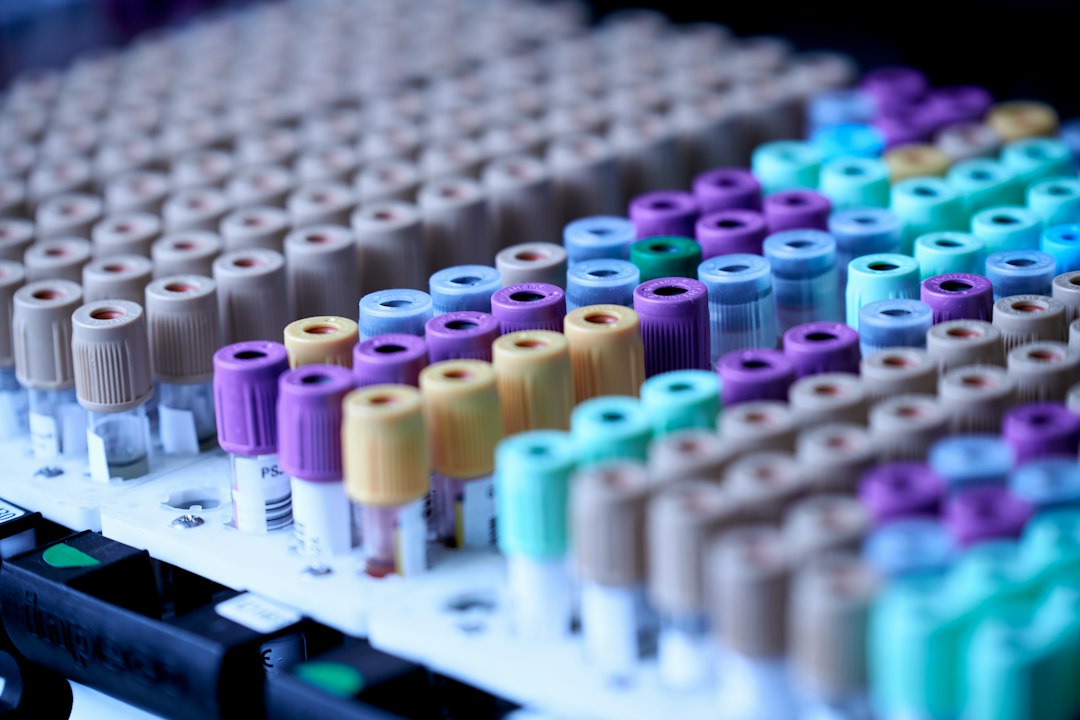
Hair transplant vs PRP: which one does what?
They are not alternatives to each other. A hair transplant moves follicles you already have into an area that has none, and it is the only thing that can create density where the scalp is bare. PRP injects your own concentrated platelets into scalp that still has living follicles, and the pooled trial data puts its effect at roughly 25 to 28 extra hairs per square centimetre, on low-quality evidence. The society that represents hair restoration surgeons says outright that people who are completely bald in the treated area are "not likely to experience any benefit" from PRP.
Almost every page that ranks for "hair transplant vs PRP" is written by a clinic that sells both. They line up the two procedures, list five differences each, and conclude that it depends on your goals. None of them cite a trial.
This one does: the randomised evidence for each in the same unit of measurement, the ten-year cost arithmetic nobody publishes, and the two questions the comparison pages skip. What happens on a scalp that is already bare, and why the placebo side of a PRP study keeps growing hair too.
Free 1-page hair transplant quote checklist
Compare graft counts, surgeon involvement, included costs, follow-up and possible second sessions.
Table of contents
- Hair transplant vs PRP at a glance
- What each one does to your scalp
- The head-to-head trial nobody has run
- What PRP delivers, in hairs per square centimetre
- The split-scalp problem
- Where PRP is unlikely to help
- Hair transplant vs PRP cost over ten years
- Side effects and complications of each
- Using PRP with a transplant, not instead of one
- Neither one stops the balding
- Three things the comparison pages get wrong
- What to ask before you book either
- Frequently asked questions
Hair transplant vs PRP at a glance
The single biggest difference is that a transplant adds follicles to the balding area and PRP does not. Everything else follows from that.
| Hair transplant | PRP | |
|---|---|---|
| What it does | Relocates existing follicles from the back and sides into the thinning area | Injects concentrated autologous platelets into scalp that still has follicles |
| Adds follicles to the bald area | Yes (total head count is unchanged) | No |
| Works on bare scalp | Yes, that is the point | No |
| Evidence base | Decades of surgical series, no placebo control possible | 9 to 13 randomised trials per meta-analysis, graded low to very low quality |
| Typical measured effect | Placement at roughly 25 to 45 follicular units per cm² | Pooled +25 to +28 hairs/cm² versus control |
| Regulatory status | Surgery, regulated as a medical procedure | Not FDA-approved for hair loss; the centrifuges are 510(k)-cleared devices |
| Repeat needed | Often a second session; medication continues indefinitely | Yes, indefinitely; stopping reverses the gain |
That evidence row decides how much weight the rest of the numbers deserve. The largest meta-analysis of PRP for pattern hair loss rated its own pooled result "low quality evidence" with "evident publication bias" (Kieling et al, Anais Brasileiros de Dermatologia 2024). Hair transplant surgery has no placebo-controlled evidence at all, because you cannot sham a graft. Both fields are weaker than their marketing suggests, in different ways.
What each one does to your scalp
A transplant redistributes hair. PRP tries to rescue hair that is still there but shrinking.
Pattern hair loss is a miniaturisation process. Follicles in the front and crown carry more androgen receptor and more 5-alpha-reductase than the ones at the back, so DHT progressively shortens their growth phase until the hair is too fine to see. The follicles at the back keep their resistance when they are moved, which is the entire basis of the operation, explained in full in our guide to how a hair transplant works.
PRP works, if it works, at the other end of that process. Blood is drawn, spun to concentrate the platelets, and the platelet layer is injected into the dermis of the thinning scalp, where growth factors including VEGF, IGF-1 and FGF are thought to prolong the growth phase and partly reverse miniaturisation. The ISHRS is blunt about how well that is understood: "the exact mechanism of action for how PRP promotes hair growth is unknown" (ISHRS patient page on PRP).
That sets the ceiling for each. PRP can only act on a follicle that still exists. Surgery is the only option that puts a follicle where there is none.
The head-to-head trial nobody has run
There is no randomised trial comparing a hair transplant against PRP. Not one.
Every "which is better" claim is therefore built by comparing two separate literatures with different endpoints and different follow-up. PRP trials measure hairs per cm² in a thinning patch at three or six months. Transplant studies measure graft survival or photographic grading at a year. The two barely share an outcome.
What has been tested head to head is PRP against topical minoxidil. A 2026 systematic review pooled nine randomised trials and 451 patients and found no clear advantage for PRP on hair density, terminal hair count or moderate-to-high regrowth (Umar et al, Aesthetic Plastic Surgery 2026). Patient satisfaction did favour PRP (odds ratio 2.77, 95% CI 1.53 to 5.04), as did the hair pull test, negative in 82.75% against 52.94%.
The useful conclusion is narrower: pooled trials have not established a clear advantage for PRP over topical minoxidil on key hair-count outcomes. That is not proof the treatments are equally effective. PRP and surgery also serve different purposes, and no direct trial measures their effects on the same outcome.
What PRP delivers, in hairs per square centimetre
Pooled across randomised trials, PRP adds roughly 25 to 28 hairs per square centimetre over control, with very wide uncertainty around that figure.
| Meta-analysis | Trials, patients | Pooled effect on density | Authors' own caveat |
|---|---|---|---|
| Kieling 2024, An Bras Dermatol | 13 RCTs pooled, 431 patients across 14 studies | +27.55 hairs/cm² (95% CI 14.04 to 41.06) | I² = 95.99%, "low quality evidence", "evident publication bias" |
| Meta-analysis cited in the 2025 adjunct review | 10 RCTs | +25.09 hairs/cm² (95% CI 9.03 to 41.15) | No significant effect on hair diameter |
| Zhang 2023, J Cutan Med Surg | 9 RCTs, 238 patients | Density up at 3 and 6 months vs placebo | Hair count and diameter not significantly different from placebo |
Two things stand out. The confidence interval on the best estimate runs from 14 to 41 hairs/cm², and the heterogeneity statistic is 96%, meaning the pooled trials disagree with each other almost completely. And hair diameter, which is what makes a scalp look covered rather than merely populated, repeatedly fails to reach significance.
Now put surgery in the same unit. Occipital donor scalp carries 65 to 85 follicular units per cm², each holding roughly 1.9 to 2.4 hairs (Jimenez and Ruifernández, Dermatologic Surgery 1999). Surgeons typically place at 25 to 45 units per cm², with a 2026 review of FUE complications advising moderate densities under 50 units per cm² to avoid recipient-site necrosis. At 30 units per cm² that is about 60 hairs per square centimetre, placed into an area that had close to none.
Those two numbers do not measure the same thing, and presenting them as a clean ratio would be dishonest. PRP's figure is a change in a patch that still had 150-odd hairs per cm². The transplant figure is an absolute placement into skin that had almost nothing. But the direction is not ambiguous, and the ISHRS states the conclusion in one sentence: "there is no procedure that can produce long, thick, dense hair in the recipient zone as well as surgical hair restoration."
The split-scalp problem
In the best-designed PRP trials, the saline side of the scalp grew almost as much hair as the PRP side.
Dermatologists at NYU tattooed two 7.6 cm squares on the scalps of 35 people with pattern hair loss, randomly assigned one square to PRP and the other to saline, and gave three monthly treatments (Shapiro et al, Journal of the American Academy of Dermatology 2020).
| Area | Baseline density | Final density | Change |
|---|---|---|---|
| PRP | 151 ± 39.8 hairs/cm² | 170.96 ± 37.1 hairs/cm² | +20 |
| Saline placebo | 151.04 ± 42.0 hairs/cm² | 166.72 ± 37.1 hairs/cm² | +15.7 |
Both sides improved significantly against their own baseline. Neither was significantly different from the other. A trial at Memorial Sloan Kettering using the same design in breast cancer survivors with treatment-induced hair loss found the same shape: +21 hairs/cm² treated, +16 untreated, no significant difference between them (Rossi et al, Dermatologic Surgery 2026).
The authors of both papers name the two likely explanations. PRP may diffuse across the scalp from the treated square to the control one. And the microinjections themselves cause controlled injury, which is the mechanism microneedling is sold on, so the "placebo" is not inert.
Either way the practical reading is the same. A before-and-after photograph taken three months after a PRP course cannot tell you whether the platelets did anything. That is the kind of evidence most PRP marketing rests on, and the same scepticism applies to surgical galleries, which is why we wrote a separate guide on reading before and after pictures.
Where PRP is unlikely to help
PRP is unlikely to help an area that is completely bald, according to the professional body for hair restoration surgeons. That is a clinical expectation, not a measured zero-effect rate for every patient.
From the ISHRS patient page: "The best candidates are those with thinning hair rather than complete baldness and for those who have experienced more recent hair loss." And more directly: "Individuals who are completely bald in the area of concern are not likely to experience any benefit."
That distinction is more useful than a blanket stage rule. A person at Norwood 3 may have thinning areas with follicles still present; someone at Norwood 6 may have bare areas where PRP is unlikely to help. The Norwood stage finder describes the visible pattern, but a clinician needs to assess whether follicles remain in the area you want treated.
The corollary is awkward for the "vs" framing. At the stages where PRP has most to offer, surgery is usually premature and many surgeons would decline to operate. At the stages where surgery is clearly indicated, PRP has least to offer. The two are rarely competing for the same patient at the same moment.
Hair transplant vs PRP cost over ten years
PRP is a subscription and a hair transplant is a capital expense, and over ten years the subscription frequently costs more.
The ISHRS puts a PRP session at "as little as $400 or as much as $1,500 or more" and describes the standard programme as "one treatment session each month for three months, followed by a booster session every six months". The AAD describes the same induction, with most patients returning "once a month for 3 months and then once every 3 to 6 months". Crucially, the ISHRS adds that treatments "will always need to be repeated to be effective" and that "discontinuing the treatment will result in hair loss".
| Schedule | Sessions in 10 years | At $400/session | At $900/session | At $1,500/session |
|---|---|---|---|---|
| Boosters every 6 months (ISHRS) | 22 | $8,800 | $19,800 | $33,000 |
| Boosters every 3 months (AAD upper frequency) | 42 | $16,800 | $37,800 | $63,000 |
Even the cheapest cell, $8,800 over ten years, lands inside the band a US clinic quotes for a single transplant. Most of the table is a multiple of it. Price your own case on the hair transplant cost calculator; where those ranges come from is set out on our methodology page.
Two qualifications, because the arithmetic cuts both ways. A transplant is not always a single payment: in the ISHRS practice census, responding surgeons reported an average of about 1.5 procedures to achieve the desired result. The reported percentages describe those surgeons' practice-level answers, not the share of all patients who return for surgery. We discuss staged planning in the cost guide for men. PRP stops costing money when you stop it, while surgery can leave lasting changes to the donor and recipient areas.
PRP is also more often sold as a surgical add-on than as an alternative. Istanbul packages bundle it at a fraction of standalone Western pricing, and it appears among the typical extras on our Turkey cost page. A few hundred dollars attached to an operation is a very different decision from a ten-year commitment at $900 a session.
Side effects and complications of each
PRP and surgery carry different risks. Injection discomfort is common in PRP studies; surgical effects range from short-lived swelling to outcomes that may be difficult to reverse.
In the small randomised trials reviewed for pattern hair loss, reported adverse events were mostly local pain and redness; that does not establish that serious events cannot occur. Scalp injection pain is not trivial: trials have examined nerve blocks and skin precooling to make repeat sessions more tolerable. The Memorial Sloan Kettering trial recorded grade 1 to grade 3 scalp pain. Using a patient's own blood avoids some donor-material risks, but the injection and preparation still require proper clinical safeguards.
One regulatory point is worth understanding, because clinics phrase it carefully. PRP is not FDA-approved for hair loss. The centrifuges, tubes and kits used to prepare it are cleared as devices under the 510(k) pathway, which is a clearance for equipment, not an approval of a treatment. Dermatologists at the University of Minnesota reviewed PRP produced by three 510(k)-cleared devices in one academic hair clinic and found the product inconsistent between them (Inyang et al, Journal of the American Academy of Dermatology 2021). The ISHRS gives the biological reason: normal platelet counts range from 150,000 to 450,000 per microlitre, so two patients treated identically receive very different doses of growth factor.
Surgical complications sit in a different category. The 2026 FUE complications review describes folliculitis, transient numbness, donor thinning from over-harvesting and poor growth, all discussed in is a hair transplant worth it. Reported rates vary by study and by which effects are counted. A poorly planned transplant can use finite donor hair; PRP also carries procedure risks, though it does not remove grafts.
Using PRP with a transplant, not instead of one
The question most people are actually asking is whether PRP is worth adding to a transplant, and the evidence is thin but pointing in a favourable direction.
A 2025 systematic review searched three databases from inception and found exactly three controlled studies of PRP as an adjunct to hair transplantation, covering 217 patients (Sindhusen et al, Cureus 2025).
| Study | Design, n | Result |
|---|---|---|
| Garg 2016, India | RCT, 40 men | At 6 months, 100% of the PRP group had more than 75% follicle growth against 20% of controls |
| Zhao 2023, China | Non-randomised, 147 patients | Better hair loss area, pull test and regeneration scores at 8 weeks; rated serious risk of bias |
| Xue 2025, China | RCT, 30 patients | The authors reported six-month "follicle survival" of 82.2% ± 4.1 with PRP against 74.0% ± 5.3 without (p = 0.002), but did not fully describe how that endpoint was measured |
All three favoured PRP. All three are small, none used trichoscopy or a standardised photographic scale, and the reviewers could not pool them because the protocols differed too much. How much? Blood volume processed ranged from 20 mL to 500 mL, platelet concentration from five to seven times baseline, and timing from pre-operative to four weeks after surgery. Some evidence suggests concentrations pushed too high may inhibit growth rather than help it.
The ISHRS position on this use is more cautious than any clinic selling the add-on. Its page on PRP in hair transplantation says the published reports "do not meet definitions of clinical trials" of the kind the FDA would require for an efficacy claim, and that "some investigators suggest that PRP should not be used routinely in hair transplantation to promote healing, but might be of use in patients who have had previous injury or scarring at a transplant site". Accepting PRP inside a surgical package is defensible. Paying a large sum for it on a promise of guaranteed graft survival is not, because that guarantee has never been demonstrated at scale.
Neither one stops the balding
Neither a transplant nor PRP touches the androgen pathway that causes pattern hair loss, so the native hair around the treated area keeps thinning either way.
Transplanted hair is often described as permanent, but the appearance of the treated area can change. A clinic in Tamil Nadu graded standardised photographs of 112 men at four years against their one-year result after a single transplant session for Norwood 4 loss (Kumaresan and Subburathinam, Journal of Cutaneous and Aesthetic Surgery 2020). Most were graded as having reduced density in the treated area. Photographs cannot isolate transplanted graft survival from continued loss of native hair, so those figures should not be presented as a graft-loss rate.
PRP's dependence is more explicit: stop the boosters and the gain unwinds.
This is why medication sits underneath both options rather than beside them. At five years in the finasteride registration trials on the Propecia label, an independent photographic panel rated 48% of treated men as increased hair growth and 42% as no change, against 6% increased and 75% visibly losing hair on placebo. The label's first-year adverse reactions were decreased libido in 1.8% of men against 1.3% on placebo, erectile dysfunction 1.3% against 0.7% and ejaculation disorder 1.2% against 0.7%, with 1.2% discontinuing for a sexual adverse event against 0.9%. The wider picture is in our guide to finasteride side effects. Finasteride is prescription-only in most countries and is contraindicated in women who are or may become pregnant.
Topical minoxidil is the other established option, and its trial profile is local rather than systemic: scalp itching at around 6% on the 5% solution in men, and unwanted facial or body hair spontaneously reported by 4% of 1,333 women across the placebo-controlled trials. That data, and the shedding phase that catches people out in the first three months, are in minoxidil side effects.
Three things the comparison pages get wrong
"PRP is the non-surgical alternative to a transplant." The treatments do different jobs. PRP aims to improve thinning hair where follicles remain; a transplant relocates follicles into an area with inadequate coverage. The ISHRS says a completely bald area is unlikely to benefit from PRP. A clinician can assess whether an area is truly bare and discuss surgery, camouflage or other appropriate choices.
"A hair transplant is permanent, PRP is temporary." That is too simple. PRP usually involves repeat treatments. A transplant can provide long-lasting coverage, but native hair may continue to thin and some patients need further treatment. The four-year photographic study tracked overall appearance in the treated area; it did not measure what proportion of transplanted grafts survived.
"PRP is FDA-approved." Few pages say this outright, but many imply it by describing the equipment as FDA-cleared without explaining the difference. The clearance applies to the centrifuge. There is no FDA approval of PRP as a treatment for hair loss, and use for that indication is off-label.
What to ask before you book either
For PRP, the questions are about dose and duration, because neither is standardised.
- Which device and protocol, single-spin or double-spin, and what platelet multiple over baseline does it produce?
- How many sessions before we decide it is not working, and what measurement decides it, photographs or trichoscopy?
- What is the total cost of five years of maintenance, not just the induction course?
- Given my stage of loss, how much of the treated area still has living follicles?
For surgery, or for a package that bundles PRP into the price:
- How many grafts, at what density, over how large a donor area?
- Who physically performs the extraction and the implantation?
- If PRP is included, what is it costed at, and what evidence supports it improving graft survival in your hands?
- What is the plan for the hair that is not being transplanted?
A board-certified dermatologist can diagnose the type of hair loss you have, which is the step that decides whether either of these is relevant at all. A hair restoration surgeon can tell you whether your donor area supports the result you have in mind. Get both opinions before you pay for either procedure.
Frequently Asked Questions
Is PRP better than a hair transplant?
For a bare scalp, no, and the comparison barely applies. PRP only acts on follicles that are still alive, and the ISHRS states that people who are completely bald in the treated area are unlikely to see any benefit. For early thinning with most follicles still present, PRP performed about as well as topical minoxidil across nine randomised trials, while a transplant would usually be considered premature at that stage.
Can I have PRP instead of a hair transplant?
Only if the loss is early and diffuse rather than established recession. PRP's pooled effect in the meta-analyses is about 25 to 28 extra hairs per square centimetre on low-quality evidence, which thickens a thinning area but does not rebuild a hairline. A stage assessment on the Norwood finder will show which of the two situations you are in.
How much does PRP cost compared with a hair transplant?
The ISHRS puts PRP at $400 to $1,500 or more per session, with three monthly sessions followed by boosters every three to six months indefinitely. Over ten years that is 22 to 42 sessions, which at mid-range pricing comes to roughly $20,000 to $38,000, comparable to or above a single US transplant.
Does PRP help a hair transplant grow better?
The evidence suggests it might, but it is thin. A 2025 systematic review found only three controlled studies covering 217 patients; one 30-person randomised study reported a higher six-month "follicle survival" measure with PRP, without fully explaining how that endpoint was assessed. The ISHRS notes that some investigators argue PRP should not be used routinely in transplantation until better trials exist.
How Bald is an information site, not a clinic. Nothing here is medical advice and we do not sell procedures or medication. Figures are estimates with sources listed on our methodology page. Talk to a dermatologist or hair restoration surgeon before treatment.
More guides
Hair Transplant: How Does It Work? The Biology, the Surgery and the Clock
Hair transplant: how does it work? Donor dominance, follicular units, and why careful graft handling and time out of the body matter.
Is Hair Transplant Worth It? What the Satisfaction Data Shows
Is hair transplant worth it? The published satisfaction scores, the lifetime cost multiplier, and the eight cases where surgeons say no.
Hair Transplant Cost for Men: What Actually Changes the Price
Hair transplant cost for men depends on graft demand, donor supply, treatment area and whether one procedure will be enough.